Rolling for Everyone: How Tabletop Gaming Finally Started Designing With All Players in Mind

Photo by Photo by Walls.io on Unsplash on Unsplash
Picture your ideal game night. Maybe it's a sprawling dungeon crawl with a pile of polyhedral dice, a rules-heavy strategy board game, or a narrative RPG where everyone's deep in character. Now ask yourself: could everyone you know actually sit down and play that game comfortably? For a huge chunk of the US population — people with visual impairments, chronic pain, ADHD, autism, dyslexia, or mobility limitations — the honest answer has historically been "probably not."
That's starting to change in a real and meaningful way, and the tabletop community is better for it.
The Old Design Default (And Why It Left People Out)
For most of tabletop gaming's modern history, game design operated on a pretty narrow set of assumptions. Cards had tiny text. Rulebooks ran sixty pages with dense paragraphs. Physical components assumed two functional hands and decent fine motor control. And the stories being told? They often centered a very specific kind of protagonist.
None of this was malicious — it was just the water designers swam in. But the result was a hobby that felt unwelcoming to a lot of people who genuinely wanted in. According to the CDC, roughly one in four adults in the United States lives with some form of disability. That's not a niche audience. That's a massive portion of the people who might otherwise be rolling dice on a Friday night.
Mechanics That Meet Players Where They Are
One of the most exciting shifts happening right now is at the mechanical level. Designers are rethinking the nuts and bolts of how games actually function — not just slapping a large-print edition on an existing product, but building accessibility into the foundation.
Take the rise of modular rulebooks. Instead of one intimidating tome, some publishers are now releasing games with tiered rule sets — a streamlined "first session" version and expanded rules players can layer in over time. This isn't dumbing anything down. It's recognizing that cognitive load is real, and that someone with ADHD or a traumatic brain injury might need a different on-ramp than a veteran wargamer.
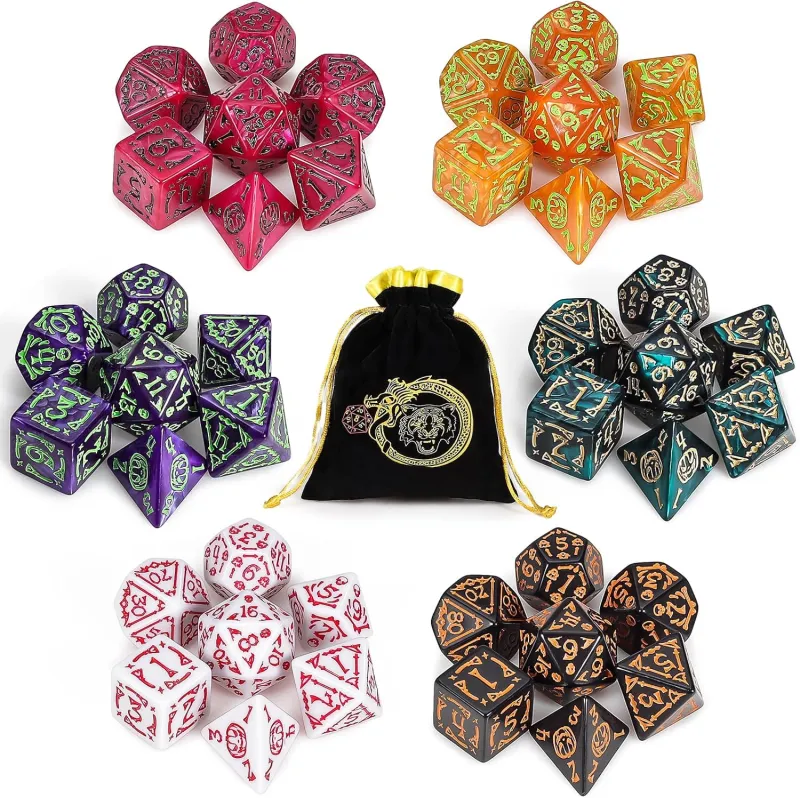
Dice themselves are getting a rethink, too. High-contrast color schemes, larger numerals, and tactile pips are showing up in more mainstream releases. Some indie designers are working with Braille dice and screen-reader-compatible digital companions so visually impaired players can engage fully with the experience. It's a small change with an enormous impact.
Then there's the question of physical play. Games that require players to hold multiple cards, sort tokens, and track resources simultaneously can be genuinely painful or impossible for someone with limited hand mobility or arthritis. Designers like those behind Wanderhome and several Ironsworn-adjacent solo RPGs have leaned into minimal-component, journal-based formats that open the door for players who need them.
Storytelling That Sees You
Mechanics matter, but so does narrative. A game that technically anyone can play but only tells stories about able-bodied, neurotypical heroes still sends a message about who belongs.
The indie TTRPG space has been especially bold here. Games like Spire, Wanderhome, and Dialect built worlds where difference is woven into the fiction itself — not as tragedy to overcome, but as texture and identity. Meanwhile, community-created supplements for big systems like Pathfinder and Dungeons & Dragons have introduced mechanics for characters who use mobility aids, communicate non-verbally, or experience the world through sensory differences.
The message being sent by this wave of design is simple but powerful: your character can look and work like you do, and that's not a limitation — it's a story worth telling.
Communities Building the Ramp
Designers aren't doing this alone. Online communities have become a crucial part of the accessibility push. Groups like the Accessibility in Gaming Discord server and organizations like AbleGamers (which, while primarily focused on video games, has inspired parallel conversations in tabletop spaces) have created spaces where players with disabilities can share what's working, what isn't, and what they wish existed.
Content creators are amplifying the conversation, too. Streamers and podcasters who are open about their own disabilities or neurodivergence have helped normalize the idea that there's no single "right" way to engage with a game. Seeing someone manage a full campaign session with adaptive tools — or watching a GM run a table that includes players with wildly different needs — shifts what the hobby looks like in the collective imagination.
What Publishers Are (Finally) Doing
Bigger publishers are catching up, if not always leading. Wizards of the Coast has made incremental moves toward accessibility in digital tools. Paizo has incorporated community feedback on inclusive character options. But some of the most concrete progress is coming from mid-sized and small publishers who can move faster and take more risks.
Publisher Magpie Games, for example, has made content warnings and safety tools a standard part of their product releases. Hit indie darling Ironsworn creator Shawn Tomkin built his game around solo and cooperative play specifically — a format that removes the social pressure of group scheduling and table dynamics that can be barriers for players with anxiety or chronic illness.
The market is responding. Accessible games aren't a charity project — they're reaching audiences that were previously excluded and finding enthusiastic, loyal players.
Why This Makes Every Game Better
Here's the thing that often gets lost in this conversation: designing for accessibility doesn't constrain a game. It improves it. Clearer iconography helps every player, not just those with visual processing differences. Modular rules make games easier to teach to anyone. Flexible session structures benefit the parent of a newborn just as much as someone managing chronic fatigue.
The tabletop hobby spent decades assuming a default player. The designers pushing accessibility are essentially arguing that there is no default — and that when you design for the edges, you build something stronger at the center.
That's a philosophy worth rolling with.