Rolling in Real Life: How a New Wave of Streamers Turned D&D Into a Career
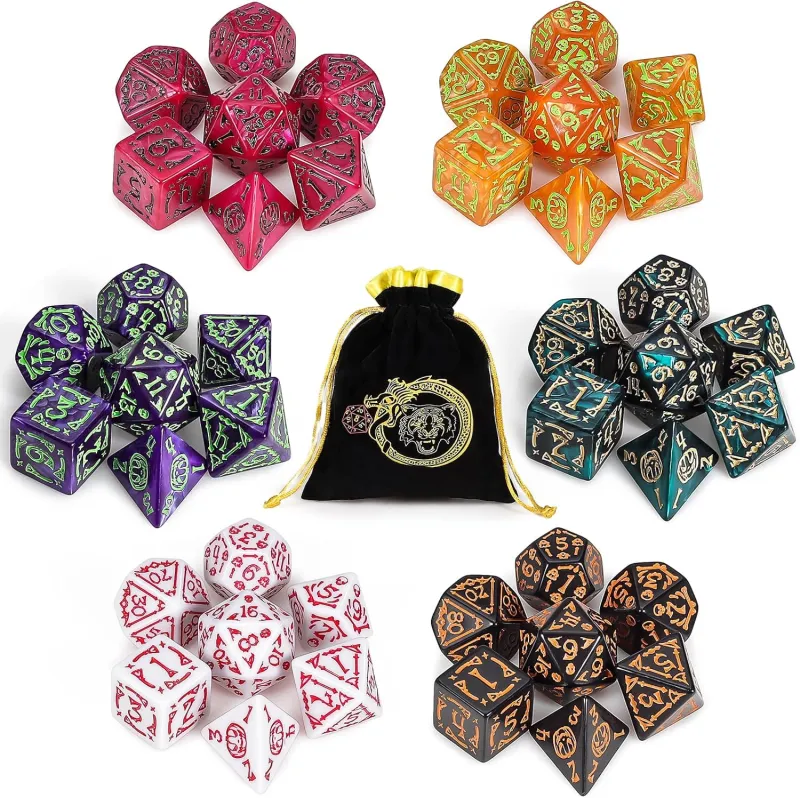
Photo: streamer gaming setup dice tabletop RPG live stream, via i.etsystatic.com
Not long ago, the idea of making a living by playing Dungeons & Dragons on camera would have sounded like something a character in a D&D campaign might wish for — filed somewhere between "infinite gold" and "a sword that talks back." But in 2024, tabletop RPG content creation is a legitimate, multi-million dollar industry, and the people cashing in aren't just the celebrities with Hollywood connections.
Some of them started in basements. Literally.
The Critical Role Effect (And What Came After)
It's impossible to talk about TTRPG streaming without acknowledging Critical Role. When a group of voice actors started streaming their home D&D campaign back in 2015, they didn't just build an audience — they effectively demonstrated that the format could work at scale. Their 2019 animated series Kickstarter raised nearly $11.4 million. Their production company, Darrington Press, now publishes its own tabletop content. They're a case study in what happens when organic community-building meets genuine talent and relentless consistency.
But here's the thing about Critical Role: it's the exception, not the template. Plenty of creators made the mistake of trying to replicate it exactly — professional voice talent, high production values, marathon sessions — and found themselves burning out after six months with a few hundred subscribers to show for it.
The creators who are actually building sustainable businesses in 2024 have largely taken a different approach.
Smaller, Weirder, and More Specific
The tabletop streaming landscape has matured significantly. The days of "just play D&D on camera and see what happens" are largely over. What's working now is specificity — channels and communities built around a very particular thing done very well.
Take Dimension 20, Dropout's flagship TTRPG show. Game Master Brennan Lee Mulligan has built a massive following not just by playing D&D, but by doing it in wildly creative settings — a fantasy high school, a 1930s New York noir campaign, an entire season set in the world of fast food mascots. The commitment to concept and world-building is what sets it apart.
On the more independent side, smaller creators have found success by going deep on specific systems. Pathfinder 2E content, Call of Cthulhu actual plays, and OSR (Old School Renaissance) campaigns all have dedicated audiences who are underserved by mainstream D&D content. Serving a niche well beats serving a broad audience poorly, every time.
"The mistake I made early on was trying to appeal to everyone," says Marcus Webb, who runs the Thornwall Chronicles channel on YouTube with around 85,000 subscribers. "Once I leaned hard into Pathfinder and stopped apologizing for it, my growth basically tripled in eight months."
The Business Models That Actually Pay Out
Let's talk money, because that's the part most "how to start streaming" guides gloss over.
Twitch subscriptions and YouTube ad revenue are real, but they're rarely the primary income source for mid-tier TTRPG creators. The channels that are genuinely profitable in 2024 tend to run on a combination of:
Patreon and membership platforms. This is the backbone of most successful TTRPG operations. Fans who love a show will pay $5–$15 a month for bonus content, early access, behind-the-scenes material, or just the feeling of supporting something they love. Consistency and community engagement are the keys here — patrons stay when they feel like insiders.
Merchandise. Dice, obviously. But also apparel, art prints, custom character minis, and campaign-specific accessories. Platforms like Fourthwall have made it dramatically easier for small creators to run merch operations without managing inventory themselves.
One-shots and live events. Several mid-sized TTRPG channels have found real revenue in ticketed live events — either in-person at conventions like Gen Con or PAX, or virtual one-shots streamed exclusively for paying attendees. The scarcity and live energy drive genuine excitement.
Sponsorships. Dice brands, VTT platforms like Roll20 and Foundry, gaming accessories companies, and even general lifestyle brands have all moved into TTRPG sponsorship territory. For channels with engaged audiences — even relatively small ones — this can be surprisingly accessible.
What Separates the Channels That Last
Beyond niche focus and diversified revenue, there's a less tangible quality that separates TTRPG channels with genuine longevity from those that flame out after a year: authentic community investment.
The most successful creators treat their audience as collaborators, not consumers. They respond to comments. They bring fans into decisions — naming NPCs after Patreon supporters, running community polls on campaign directions, hosting open tables where regular viewers get to play. The Discord servers attached to successful TTRPG channels often have more daily activity than the streams themselves.
"The stream is almost like a marketing tool for the community at this point," explains Jenna Okafor, who co-runs the Hex & Hearth actual play channel with her partner. "People find us through the videos, but they stay because of the Discord. That's where the real magic happens."
Practical Advice for Anyone Starting Now
If you're sitting on a great campaign idea and thinking about hitting that "go live" button, here's the honest version of what the data and creator interviews suggest:
Start with audio. Bad video is forgivable. Bad audio kills a stream before it starts. A decent USB microphone is the single best investment you can make.
Commit to a schedule before you commit to production value. Consistency builds audiences. A reliably uploaded, modestly produced show will outperform a gorgeous show that posts irregularly every time.
Pick a lane and own it. What's your show about, beyond "we play D&D"? Tone, system, setting, cast dynamic — find your specific identity early.
Build community from episode one. Don't wait until you have an audience to act like you have one. Engage every comment. Create a Discord immediately. Make your first ten fans feel like founding members, because they are.
Play the long game. The vast majority of successful TTRPG channels took two to four years to reach meaningful scale. If you're not genuinely enjoying the process, the audience will feel it — and so will you.
The barrier to entry has never been lower. A phone, a decent mic, a willing group of friends, and a story worth telling is genuinely all it takes to start. Whether it becomes a career depends on everything that comes after — but the path is real, and there are people walking it right now from their living rooms and basement game tables across America.
Roll for it.
Are you building a TTRPG channel or community? Tell us about it in the comments — we feature emerging creators in our monthly spotlight series.