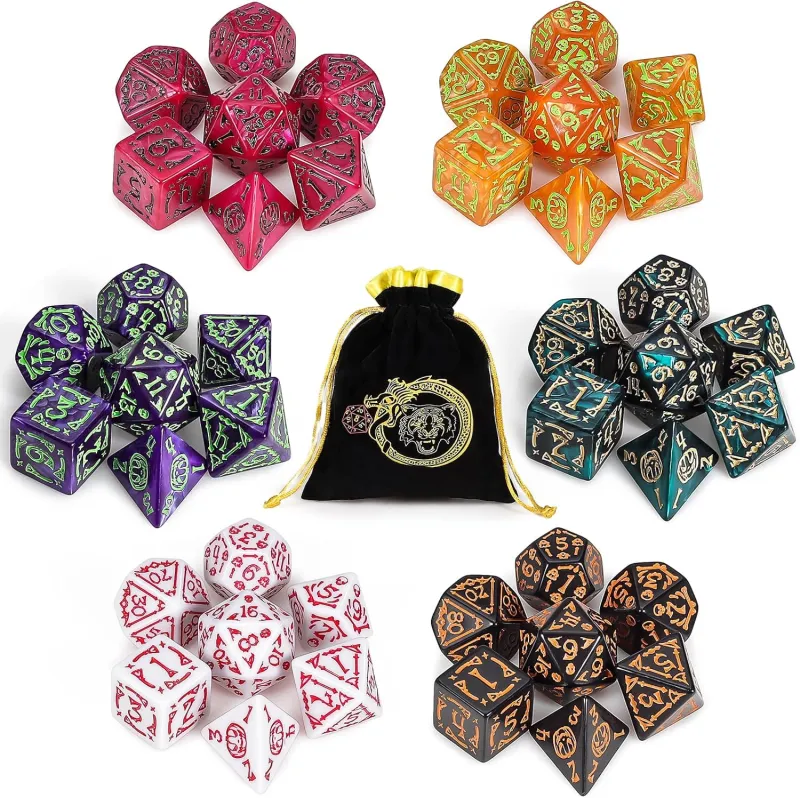
Crowdfunded, Scrappy, and Unstoppable: The Indie Dice Game Creators Who Built Empires From Nothing
Photo: Joel McDonald (Polyculture), CC BY-SA 3.0, via Wikimedia Commons
Every massive tabletop brand you love started as somebody's obsession. Before the glossy box art, the retail shelf space, and the licensing deals, there was a person — usually sleep-deprived, definitely over-caffeinated — cutting out prototype cards on their kitchen table and wondering if anyone else would care about the thing they'd spent months building.
The indie dice game scene is full of those people. And more than a few of them turned that kitchen-table dream into something that genuinely rivals what the big publishers are doing. Here's a look at how they did it — and what aspiring designers can actually learn from the journey.
The Crowdfunding Crucible
Kickstarter didn't just give indie game designers a funding mechanism. It gave them a proof-of-concept machine and a built-in marketing channel simultaneously. When a campaign funds, it's not just money changing hands — it's a public signal that an audience exists. That signal matters enormously when you're trying to get distributors, retailers, or press to pay attention.
But crowdfunding is brutal in ways that aren't always visible from the outside. Campaigns that look effortless usually have months of groundwork behind them — community building, playtesting, social media presence, and careful timing. The designers who've navigated it successfully tend to share a few traits: they launched before they were ready (in the sense of waiting for perfection), they treated their early backers like partners rather than customers, and they were radically transparent when things went sideways.
And things almost always go sideways.
Production Nightmares Are Part of the Story
Ask almost any indie game creator who's shipped a physical product and you'll hear some version of the same story: the manufacturer delivered the wrong dice color, the shipping container got held at customs for three months, the card stock came back with a slightly different finish than the proof, or the fulfillment warehouse lost a pallet.
These aren't edge cases. They're practically a rite of passage.
What separates creators who make it through from those who don't is usually communication. Backers who feel informed and respected during delays tend to stay loyal. Backers who feel ignored turn into vocal critics. Some of the most respected names in indie tabletop gaming built their reputations not on flawless execution, but on honest, human updates during genuinely difficult stretches.
One recurring piece of advice from veteran creators: budget 20 to 30 percent more than you think you need, and plan your timeline to be at least two months longer than feels reasonable. The industry runs on optimism, and optimism is expensive.
The Cult Following Flywheel
The indie creators who break through rarely do it with a single viral moment. More often, they build a cult following slowly and deliberately — and then that following does the marketing for them.
This dynamic is especially strong in the dice and RPG space, where community identity runs deep. When players feel ownership over a game — when they've been part of its development through playtesting feedback, stretch goal voting, or just being heard on social media — they become evangelists. They bring the game to their local game store. They run demos at conventions. They post about it constantly.
The savviest indie creators engineer this flywheel intentionally. They share works-in-progress. They run public playtests. They name mechanics after community members or run contests that put backers' names in the credits. None of this is cynical — it's genuinely collaborative, and the games that come out of that process tend to be better for it.
From Side Project to Actual Business
The jump from "successful crowdfunding campaign" to "sustainable company" is where a lot of promising creators stall. Shipping one great game is hard. Building an operation that can ship multiple games, maintain relationships with distributors, manage inventory, and keep a community engaged over years — that's a different skill set entirely.
Creators who've made that leap tend to talk about a few inflection points. The first is hiring — specifically, finding someone to handle the operational and logistical work so the designer can keep designing. The second is retail. Direct-to-consumer crowdfunding is powerful, but getting onto game store shelves (and eventually into distribution networks like Alliance Game Distributors or GTS Distribution) opens up a whole different revenue stream and audience.
The third, and maybe most interesting, is licensing and IP. Once a game develops a recognizable identity — a distinctive dice mechanic, a world players are attached to, a system that other designers want to build on — the creator has something that can generate value beyond individual product sales. Expansions, licensing deals, organized play programs, and even app adaptations have all been pathways for indie tabletop brands to scale.
What the Scrappiest Success Stories Have in Common
Look across the indie dice game landscape and a few patterns emerge among the creators who went from nobody to notable.
First, they made something specific. Not "a dice game" but this dice game, with a clear identity and a clear audience. Trying to appeal to everyone is a reliable way to resonate with no one.
Second, they showed up consistently. Monthly newsletters, regular convention appearances, active Discord servers — the creators who built lasting audiences did so through sustained presence, not occasional bursts.
Third, they treated failure as data. A mechanic that didn't work in playtesting, a campaign that underperformed, a product that didn't sell — these weren't defeats, they were information. The creators who lasted were the ones who could take that information and adjust without losing their core vision.
And finally — maybe most importantly — they genuinely loved what they were making. That sounds obvious, but the tabletop industry is demanding enough that passion isn't optional. It's the thing that keeps you going when the manufacturer calls with bad news three weeks before your ship date.
So You Want to Be Next?
If you're sitting on a dice game idea right now, the landscape has genuinely never been more accessible. Tools like Tabletop Simulator and Tabletopia let you run online playtests without printing a single prototype. Print-on-demand services let you produce small runs for conventions without a massive upfront investment. Platforms like BackerKit and GameFound have joined Kickstarter as viable crowdfunding homes.
The barrier isn't access to tools anymore. It's the willingness to start before you feel ready, to build community before you have a product, and to treat every person who engages with your work as a collaborator worth respecting.
The dice game empires of tomorrow are being built in someone's living room right now. Maybe yours.