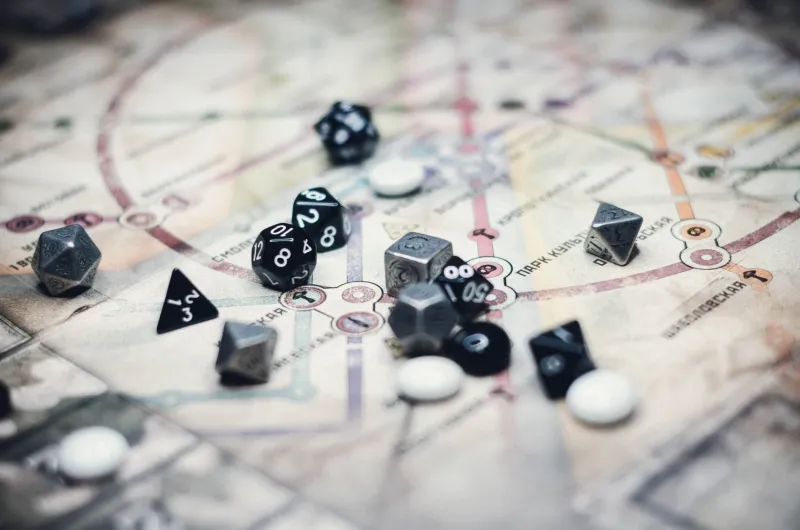
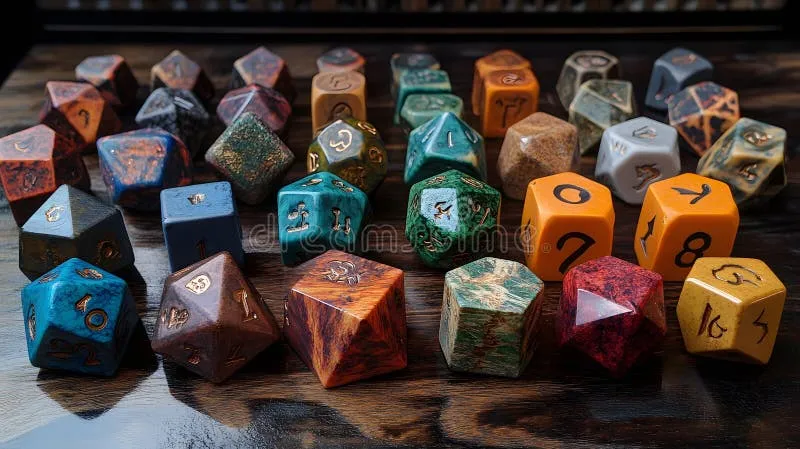
Out of Stock, Out of Luck: The Supply Chain Meltdown That Emptied Dice Shelves Across America
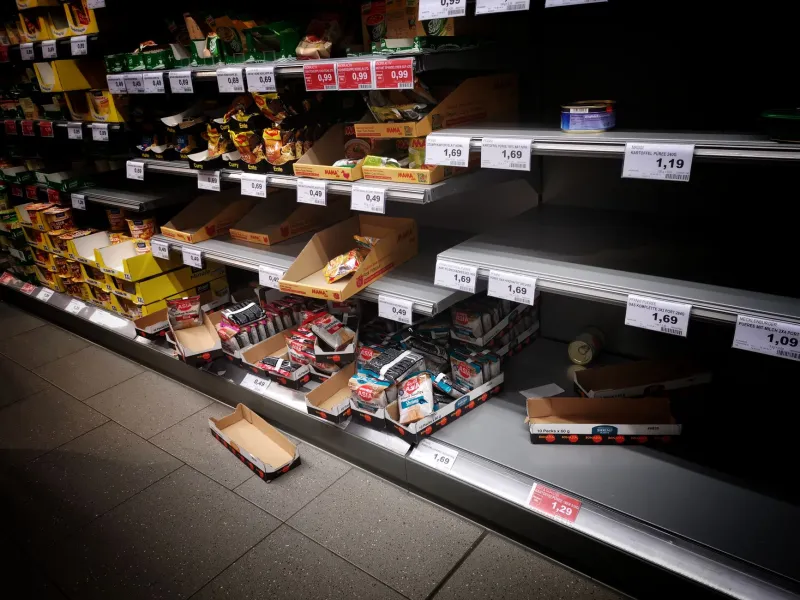
Somewhere around the spring of 2021, tabletop players across the country started noticing something deeply unsettling: the dice were gone. Not just the fancy hand-painted sets or the limited-edition metal rollers — the basic stuff, too. Acrylic polyhedral sets that used to sit in bins at your local game store had vanished. Online retailers were backordered for months. Even the big-box hobby shops were shrugging their shoulders.
For a community that had just spent a year leaning hard into gaming as a way to cope with lockdowns, isolation, and general pandemic chaos, it felt like a cruel joke. People had the time. They had the interest. They had the new players who'd discovered Dungeons & Dragons through Twitch streams and actual-play podcasts. What they didn't have was the gear to roll.
So what actually happened? The answer is messier — and more interesting — than most players realized.
A Perfect Storm of Demand and Disruption
Let's start with the obvious: the pandemic gaming boom was real and it was massive. Hobby game sales in the US surged dramatically beginning in 2020, with the tabletop industry reporting record revenue. New players flooded into D&D, board games, and dice-centric titles at a rate the industry simply wasn't built to absorb.
But demand alone doesn't empty shelves. What turned a spike in interest into a full-blown shortage was the simultaneous collapse of the global supply chain that made those dice in the first place.
The vast majority of mass-market polyhedral dice — your standard acrylic sets — are manufactured in China, with a smaller portion coming from factories in other parts of Asia. When COVID-19 shuttered factories and created shipping bottlenecks at ports, the flow of product slowed to a crawl. Container costs skyrocketed. Lead times that used to run six to eight weeks stretched to six months or longer.
"We'd place orders and just wait," said one mid-size US hobby distributor who spoke with us on background. "And then wait some more. We were promising retailers timelines we couldn't guarantee because nobody upstream could guarantee anything to us."
The Retailer Squeeze
For local game stores — already running on thin margins — the shortage was brutal in a specific, grinding way. They were watching new customers walk through the door, fired up about the hobby, and then walking back out empty-handed.
Shop owners around the country started rationing inventory. Some implemented purchase limits on dice sets. Others started buying up whatever they could find from secondary markets just to keep something on the shelves, often paying prices that made it nearly impossible to turn a profit.
The frustration wasn't just financial. Game store owners tend to be deeply invested in growing the hobby, and turning away a new player who just wants a set of dice to start their first campaign felt like a failure that stung on a personal level.
Smaller, boutique dice makers — the Kickstarter-funded artisans who cast resin sets by hand and sell through Etsy or their own storefronts — faced a different problem. Their raw materials were also caught in the same supply chain mess. Resin, molds, pigments, inking supplies — all of it was harder to source and more expensive when you could find it. Wait lists for handcrafted sets that used to run a few weeks turned into multi-month queues.
Collectors Got Hit Differently
For serious dice collectors, the shortage had a strange dual effect. On one hand, it made adding new pieces to a collection genuinely difficult. Limited runs sold out in minutes. Restocks were unpredictable. The secondary market — places like eBay and dedicated Facebook groups — saw prices climb sharply as demand outpaced supply.
On the other hand, the shortage inadvertently validated what collectors had been saying for years: quality dice are not a commodity. They're a product with real craft and real supply constraints behind them. The shortage made that visible to a much wider audience.
"People started asking questions they never bothered to ask before," one longtime collector told us. "Where are these made? Who makes them? Why does it matter? That was actually kind of cool, even if the circumstances were terrible."
How the Industry Responded
The shortage pushed manufacturers and distributors to rethink some long-standing assumptions about how the dice market worked.
Several companies accelerated efforts to diversify their supply chains — reducing dependence on single-country sourcing and exploring domestic production options where feasible. A handful of US-based manufacturers saw opportunity in the disruption and began scaling up operations, though domestic production of dice at scale remains expensive compared to overseas alternatives.
Some publishers and game designers started building longer lead times into their product planning, treating dice as a component that needed the same careful logistical attention as any other manufactured good. The "we'll figure out the dice later" approach that had worked fine in a stable market suddenly looked reckless.
Kickstarter campaigns for dice-related products — already a booming corner of the crowdfunding platform — had to get more transparent with backers about manufacturing timelines and the risks of delays. That transparency, while born of necessity, arguably improved the relationship between creators and their communities.
Where Things Stand Now
The acute phase of the shortage has eased. Walk into most game stores today and you'll find dice on the shelves again. Online availability has largely normalized. But the experience left marks on the industry that haven't fully faded.
Prices on many dice products remain elevated compared to pre-pandemic levels, a combination of higher manufacturing costs, increased shipping expenses, and the general inflation that hit consumer goods across the board. Some specialty products still carry extended lead times. And the secondary market for desirable sets remains more active — and more expensive — than it was before 2020.
For newer players who entered the hobby during the boom years, the shortage may have shaped their relationship with dice in ways they don't fully recognize. Hunting for a set, waiting on a restock, joining a waitlist — those experiences created a different kind of attachment to the dice you finally managed to get your hands on.
The Lesson Hiding in the Supply Chain
Here's the thing about the great dice shortage that doesn't get talked about enough: it revealed just how much the tabletop gaming hobby depends on a global manufacturing ecosystem that most players never think about. The dice in your bag traveled a long way to get to you, through a chain of factories, freight containers, customs inspections, distribution warehouses, and retail shelves.
When that chain breaks — for any reason — the whole thing feels very fragile very fast.
The gaming community handled it the way it handles most challenges: with creativity, community, and a healthy amount of complaining on forums. People shared dice. They 3D printed sets. They improvised. They waited.
And eventually, the shelves filled back up. But if you're a player who remembers scanning every online retailer for a basic set of polyhedral dice and coming up empty, you probably look at those bins of d20s a little differently now. As well you should.